
The Types of Moral Dilemmas in Literature (and How to Write Them)
Last updated: October 2026
 By Gabrielle Dorval, founder of Inkbound
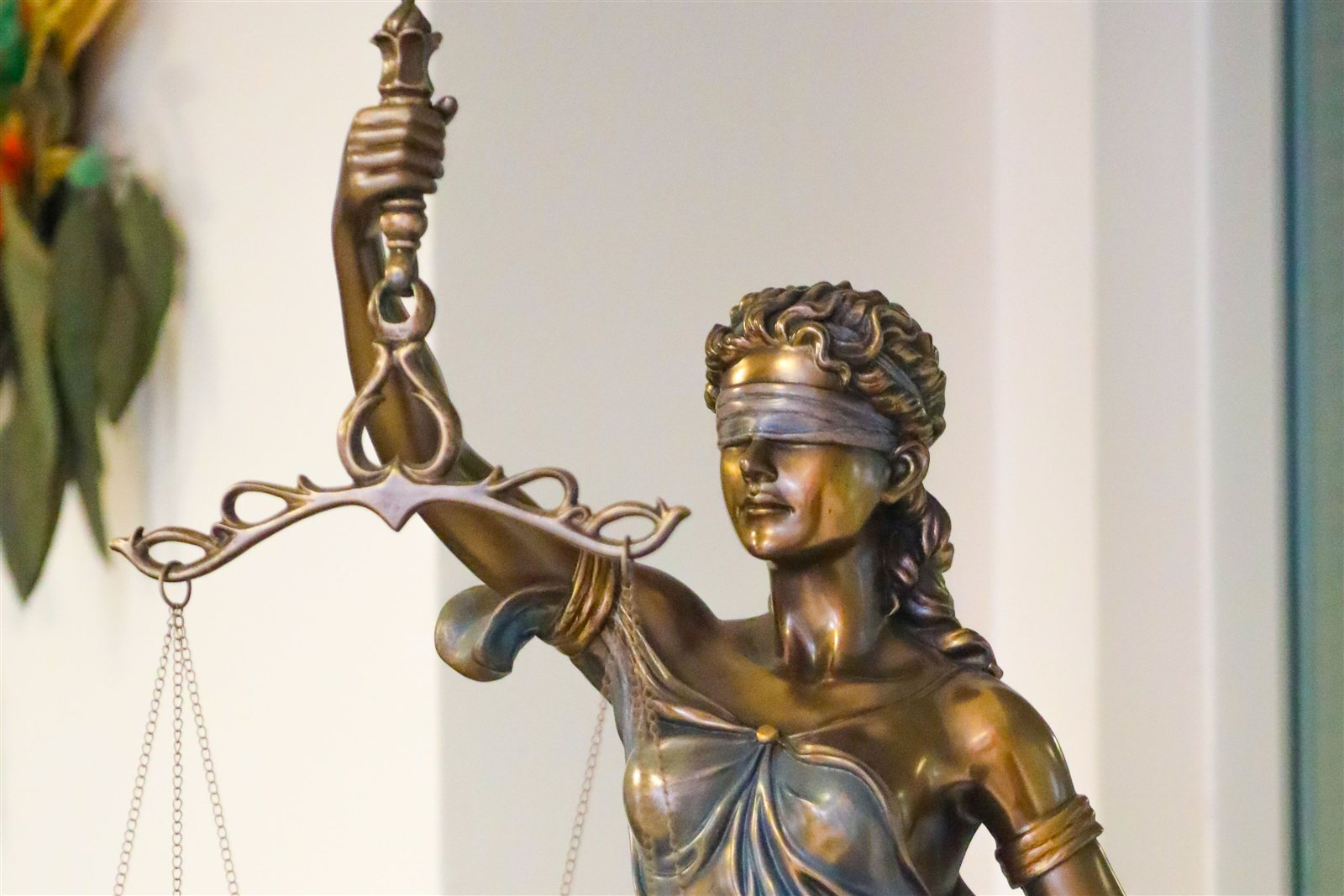
Two choices, and each one costs something. That's what makes a moral dilemma work. Whatever your character decides, they lose something that matters, and that's exactly what makes certain books stick with you long after you've closed them. Here are five types of dilemmas literature has leaned on for centuries, with examples to get you started.
Duty vs. Desire
Duty or desire. In The Last of Us, Joel has to choose between handing Ellie over to the Fireflies, who want to kill her to extract a possible cure for the infection devastating humanity, or protecting her because she's become, against his own plans, the closest thing he has to a daughter. He chooses Ellie. Humanity waits. It's a modern version of what Corneille was already calling a "Cornelian dilemma" back in the 17th century, in Le Cid, where Rodrigue has to avenge his father's honor at the cost of losing Chimène, the woman he loves.
Loyalty vs. Justice
Should you protect someone you love, even after they've done something unforgivable? In Arcane, Vi has to choose between her loyalty to Jinx, her sister turned violent criminal, and her growing sense of justice, tied to her relationship with the enforcer Caitlyn. Antigone faced the same choice twenty-five centuries earlier: she buries her brother against the city's direct order, placing family loyalty above established law.
Ends vs. Means
Can a cruel act be justified by a greater good? Walter White convinces himself it can in Breaking Bad: he starts cooking meth to pay for his cancer treatment and protect his family, then methodically sinks into violence and lies, telling himself at every step that it's for a good reason. Raskolnikov runs the same calculation a century and a half earlier in Dostoevsky's Crime and Punishment: he kills, convinced the murder serves a higher purpose, before his conscience catches up with him.
The Impossible Choice Between Two Losses
Neither option is good here. It comes down to picking the one that hurts less. In House of the Dragon, Helaena is cornered by assassins sent to kill her oldest son, the heir to the throne; forced to point out which of her children carries that title, she indicates one of them, and he's killed in front of her. William Styron's Sophie's Choice remains literature's most-cited example of this kind of dilemma: a choice no parent should ever have to make.
Truth vs. Protection
Tell the truth, at the risk of hurting someone. Or lie, to protect them. In Big Little Lies, a group of mothers chooses to lie to the police to protect one of their own after the violent death of an abusive husband, fully aware of what that silence will cost them with each other. Jean Valjean faces an equally heavy version of the same dilemma in Victor Hugo's Les Misérables: reveal his identity to save an innocent man accused in his place, at the risk of falling back into the conviction he's spent years fleeing.
How to Write a Dilemma That Works
A few things show up, again and again, in dilemmas that actually work. First: both options need real value. If one is clearly better, the reader sees the answer coming a mile away, and the dilemma falls flat. Second, the character needs to lose something concrete no matter what they choose. And the decision has to reveal who they are. Not just push the plot forward. That last part is what turns a plain obstacle into a moment that matters.
The resolution matters as much as the choice itself. A dilemma doesn't need to close cleanly. Walter White lives with his decision all the way to the end of Breaking Bad, and finally admits he never really did it for his family: he did it because he liked it. What matters is that the character carries the consequences, even long after. A dilemma the text forgets too quickly reads like a plot gadget, not a moment that cost something real.
To get there, it helps to know your character's values before you even write the scene. That's exactly what Inkbound's character sheets are for, with motivations and relationships kept in view: they help you spot the dilemmas that actually matter to your hero, not just the ones that look dramatic on paper.
Happy writing!
Frequently asked questions
Does a moral dilemma need a right answer?
No. The best dilemmas don't have one, or have several defensible ones. That's what makes the reader wonder what they would do in the character's place.
How many dilemmas can a novel contain?
One strong central dilemma is often enough, possibly paired with smaller dilemmas that set up or extend the main one.
What's the difference between a dilemma and a simple conflict?
In a conflict, the character faces an obstacle; in a dilemma, they face a choice where every option has a cost. Conflict pushes toward action, dilemma forces self-definition.