
Alternative à Google Docs pour écrire un roman
Dernière mise à jour : septembre 2026
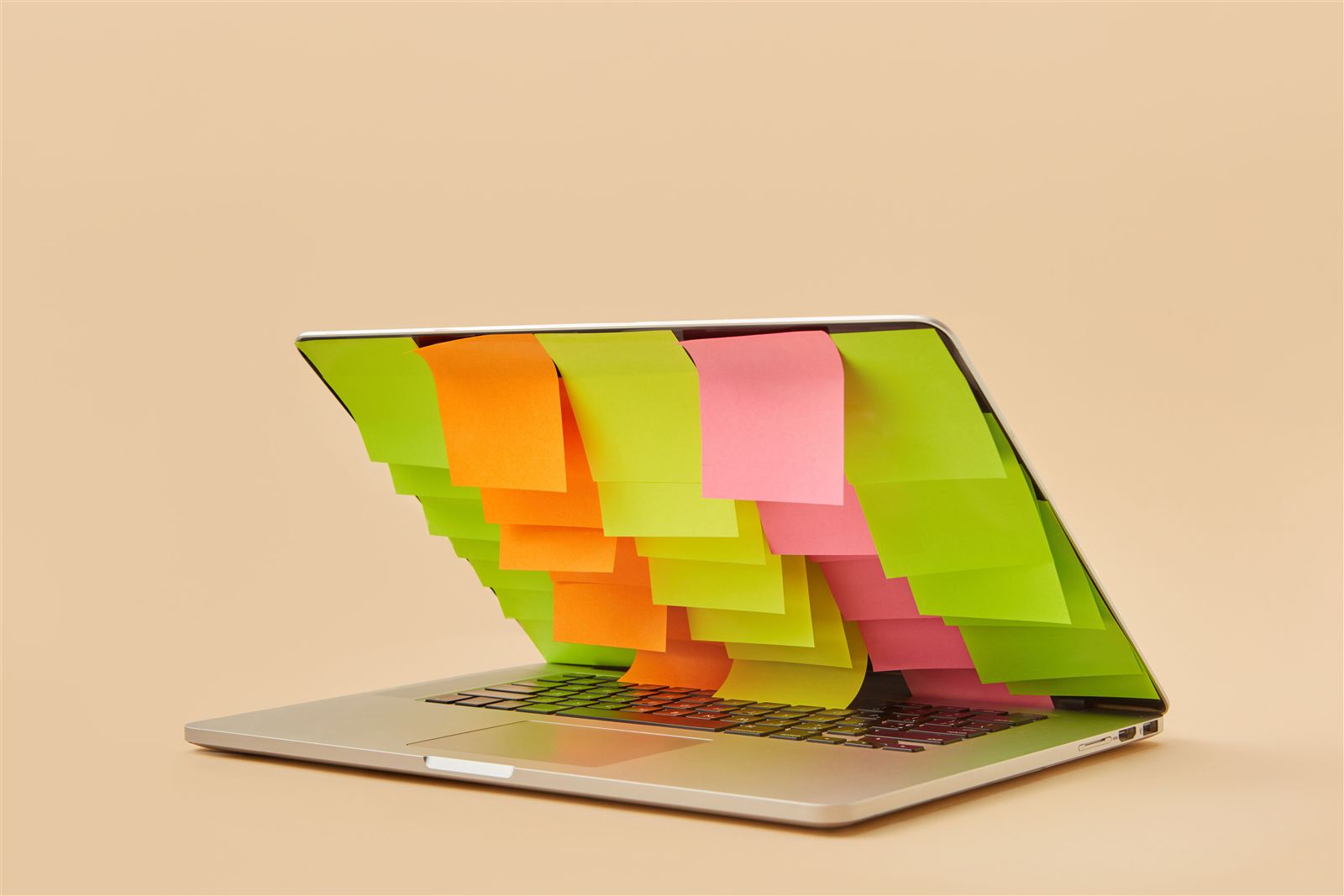
Beaucoup d'auteurs commencent leur roman sur Google Docs, simplement parce que c'est gratuit, accessible partout et familier. Le problème survient plus tard, une fois le manuscrit devenu trop volumineux pour rester lisible dans un seul fichier.
A Google Docs Alternative for Writing a Novel
Last updated: September 2026
Many authors start their novel in Google Docs, simply because it's free, available anywhere, and familiar. The problem shows up later, once the manuscript gets too long to stay readable in a single file.
Où Google Docs atteint ses limites
Un document unique de 80 000 mots devient lourd à faire défiler, difficile à structurer visuellement, et n'offre aucun endroit pour garder vos fiches personnages ou vos notes d'univers séparées du texte lui-même. Plusieurs auteurs rapportent d'ailleurs des ralentissements notables passé environ 15 000 mots dans un même document, soit à peine le tiers d'un roman court. Beaucoup finissent par jongler entre Docs, un fichier séparé pour les personnages, et un troisième pour leurs notes de worldbuilding.
La peur de perdre son texte
Une inquiétude revient souvent chez les auteurs qui utilisent Google Docs pour un roman entier : un bug d'affichage, une synchronisation ratée, ou simplement la peur qu'un chapitre entier disparaisse sans explication claire. Cette peur, même rare dans les faits, pousse beaucoup d'auteurs à chercher un outil pensé spécifiquement pour un manuscrit long.
Ce qu'un outil pensé pour les romans change concrètement
Inkbound garde la simplicité qui a fait le succès de Google Docs : dans le navigateur, sans installation, avec sauvegarde automatique. Mais le travail s'organise par chapitres plutôt que dans un long document continu. Les fiches personnages, le Codex de worldbuilding et la timeline vivent à côté du manuscrit, pas mélangés dedans.
Un correcteur pensé pour la fiction
Le correcteur grammatical intégré et l'assistant stylistique repèrent aussi les répétitions et les verbes faibles au fil de l'écriture, avec un dictionnaire personnel pour les noms inventés, ce qui évite les faux positifs constants qu'on retrouve dans un correcteur généraliste.
Google Docs n'est pas la seule autre option
Scrivener reste une référence installée depuis longtemps chez les auteurs, avec une courbe d'apprentissage plus longue et un logiciel à installer plutôt qu'à ouvrir dans un navigateur. Notre comparatif complet des logiciels d'écriture de roman détaille les différences entre les principales options du marché, Inkbound inclus.
Bonne écriture !
Questions fréquentes
Google Docs est-il un mauvais outil pour écrire un roman ?
Non. C'est un excellent traitement de texte. Le problème n'est pas la qualité de l'outil, c'est qu'il n'a jamais été conçu spécifiquement pour la structure d'un roman.
Peut-on importer un roman déjà commencé sur Google Docs ?
Oui, il suffit de copier le texte dans les chapitres correspondants pour reprendre le travail là où vous l'aviez laissé.
Inkbound sauvegarde-t-il automatiquement, comme Google Docs ?
Oui, la sauvegarde automatique fonctionne de la même façon : pas besoin de cliquer sur « enregistrer » pendant que vous écrivez.
Google Docs reste-t-il utile une fois passé à Inkbound ?
Souvent, oui, mais pour autre chose : partager un chapitre à un bêta-lecteur ou exporter un extrait reste pratique sur Docs. Le manuscrit et les fiches, eux, gagnent à rester dans un outil pensé pour un roman entier.
Peut-on essayer Inkbound gratuitement ?
Oui, un projet complet est gratuit, sans limite de temps et sans carte de crédit, avec les fiches personnages et le Codex de worldbuilding inclus.
Where Google Docs hits its limits
A single 80,000-word document gets heavy to scroll through, hard to structure visually, and leaves no room to keep your character notes or world-building separate from the text itself. Several authors report noticeable slowdowns past roughly 15,000 words in one document, barely a third of the way through a short novel. Many end up juggling Docs, a separate file for characters, and a third for world-building notes.
The fear of losing your text
One worry comes up often among authors who use Google Docs for an entire novel: a display glitch, a failed sync, or simply the fear that a whole chapter could vanish without a clear explanation. That fear, even when rare in practice, pushes many authors to look for a tool built specifically for a long manuscript.
What a tool built for novels actually changes
Inkbound keeps the simplicity that made Google Docs work: in the browser, no install, with autosave. But the work is organized by chapter instead of one long continuous document. Character sheets, the world-building Codex, and the timeline live alongside the manuscript, not mixed into it.
A grammar checker built for fiction
The built-in grammar checker and style assistant also flag repetitions and weak verbs as you write, with a personal dictionary for invented names, which avoids the constant false positives you get from a general-purpose checker.
Google Docs isn't the only other option
Scrivener remains a long-established reference among authors, with a longer learning curve and software to install rather than open in a browser. Our full comparison of novel writing software covers the differences between the main options on the market, Inkbound included.
Happy writing!
Frequently asked questions
Is Google Docs a bad tool for writing a novel?
No. It's an excellent word processor. The issue isn't the tool's quality, it's that it was never designed specifically for the structure of a novel.
Can you import a novel already started in Google Docs?
Yes, just copy the text into the matching chapters to pick up right where you left off.
Does Inkbound autosave, like Google Docs?
Yes, autosave works the same way: no need to click "save" while you write.
Is Google Docs still useful after switching to Inkbound?
Often, yes, but for something else: sharing a chapter with a beta reader or exporting an excerpt still works well in Docs. The manuscript and character sheets themselves are better off staying in a tool built for a full novel.
Can you try Inkbound for free?
Yes, one full project is free, with no time limit and no credit card, character sheets and the world-building Codex included.